
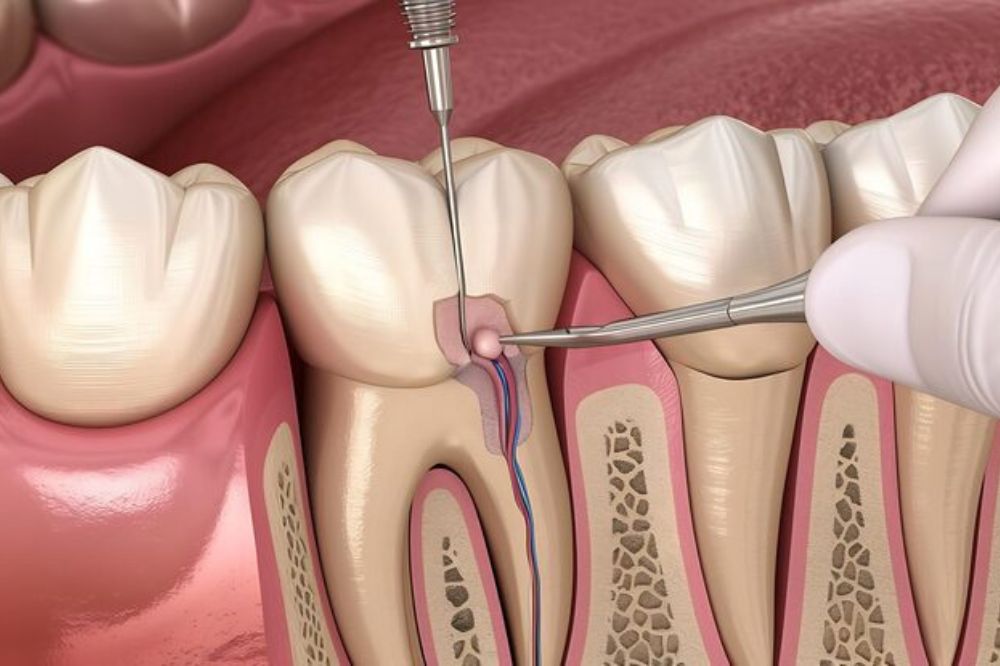
Have you ever experienced a sharp, stinging pain deep inside your tooth when eating ice cream or drinking hot chocolate? That pain usually indicates that bacteria have reached the soft core of a tooth. While many individuals are apprehensive about this type of procedure, locating a qualified root canal near you is the quickest approach to alleviate the pain and preserve your natural smile.
When a tooth gets a deep cavity or a crack, bacteria can crawl inside to a place called the pulp. This area is full of nerves and tiny blood vessels that help a tooth grow when you are young. Once an adult tooth is fully grown, it can survive without this pulp because the surrounding gums provide plenty of nutrients. If a person visits a dentist to address this issue early, they can prevent the infection from spreading into the jawbone or causing a painful abscess.
What Happens During the Procedure?
A root canal is a straightforward process that focuses on cleaning and sealing. A dental office will use modern tools to ensure the experience is as comfortable as a standard filling. During the appointment, a dentist carefully removes the damaged pulp from the narrow channels inside the root. After cleaning the area thoroughly to remove all germs, they fill the space with a rubber-like material that keeps bacteria out.
To make the tooth strong again, a protective cap—often called a crown—is placed on top. This ensures that when you chew your favorite snacks, the tooth does not crack or break. Most people who receive a root canal report that the actual procedure is painless because numbing medicine is used to keep the area completely asleep.
Signs You Might Need Help
Waiting too long to see a professional can lead to more serious health problems. It is important to watch for specific signals your body sends when a tooth is struggling.
Here are some common signs that an infection is present:
- Lingering Sensitivity: If your tooth hurts for a long time after touching something hot or cold, the nerve might be dying.
- Gum Swelling: A small bump on the gums that looks like a pimple is a major red flag for an infection.
- Darkening of the Tooth: When the inside of a tooth is damaged, the enamel can start to look grey or dark.
- Pain When Biting: Feeling a sharp jab whenever you chew food suggests the root area is inflamed.
- Unexplained Headaches: Sometimes a hidden tooth infection can cause pressure that feels like a headache or sinus pain.
Why Saving a Natural Tooth is Important
Many people wonder if it is easier to pull a tooth out, but keeping your original teeth is always the smarter choice. When a tooth is removed, the other teeth in the mouth start to shift into the space. This shifting can make it harder to clean your mouth and may even change the shape of your face over time.
By choosing to get a root canal in Naples, you ensure that your bite stays aligned and your jawbone remains strong. Artificial teeth, like bridges or implants, are great options if a tooth is already gone, but nothing functions quite as well as the tooth you were born with. A local dentist will always try to save your natural smile first before suggesting an extraction.
Keeping Your Smile Healthy After Treatment
Once the procedure is finished, taking care of a repaired tooth is very easy. You should treat it just like any other part of your mouth.
Follow these simple steps to keep your teeth sparkling:
- Brush Twice Daily: Use fluoride toothpaste to keep the outer layer of your teeth hard and strong.
- Floss Every Night: Removing food from between teeth prevents new cavities from forming near the edges of a crown.
- Avoid Hard Candy: Biting down on ice or very hard sweets can sometimes crack even a healthy tooth.
- Visit the Dental Office Regularly: Seeing a dentist every six months allows them to catch small problems before they turn into big infections.
Finding a high-quality dental office near you for regular checkups is the most effective way to avoid needing a root canal in the future. Most tooth infections happen because small cavities are ignored for too long.
Modern Care With a Gentle Touch
A healthy smile is the foundation of your confidence and overall well-being. If you are experiencing discomfort or want to ensure your teeth are in top shape, our friendly team at Naples Dental Arts Center is here to provide gentle and expert care. We use the latest technology to make sure every visit is relaxing and stress-free. Let us help you protect your natural teeth and keep your smile bright for years to come. Contact our office today to schedule your consultation!
📍 Find us easily on the Google map and plan your visit today!
Frequently Asked Questions
-
Is a root canal very painful?
No, a dentist in Naples uses local numbing medicine so that you feel very little during the process, and the treatment actually removes the source of your pain.
-
How long does the appointment usually take?
Most visits for a root canal take about 60 to 90 minutes, though some complex cases might require a second short visit.
-
Can I eat right after the procedure is done?
It is usually suggested to wait until the numbing medicine wears off so you do not accidentally bite your tongue or cheek.
-
Will the treated tooth look different from my other teeth?
The crown placed on top is color-matched to your natural teeth, so nobody will even know you had a procedure at a dental office.